
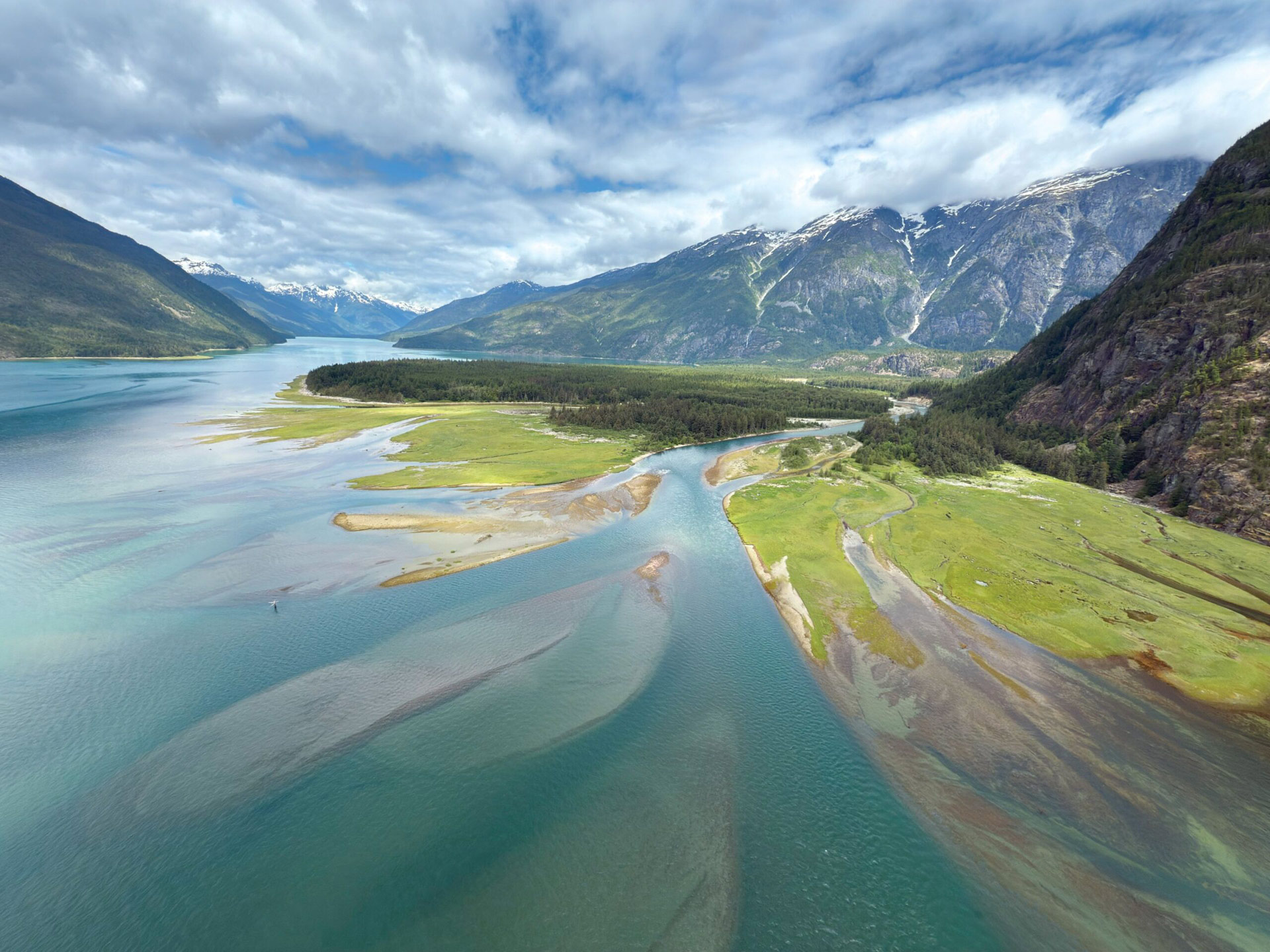
Keeping Wild Salmon Strong in British Columbia
The Work
Wild Salmon Centre Canada works collaboratively with governments, First Nations, communities, scientists, and conservation organizations to protect salmon ecosystems for the benefit of the public.
Our Impact Together
Salmon Strongholds
Priority watersheds across British Columbia
Square Kilometres
Of stronghold watershed area
Indigenous & conservation partners
Our Vision
Wild Salmon Centre Canada envisions a future where salmon and steelhead populations thrive and stronghold watersheds remain ecologically resilient from the Yukon border to the lower Fraser. In the face of climate change, our work focuses on maintaining ecological function, supporting adaptation, and ensuring communities benefit from healthy ecosystems.
Habitat Protection
Protecting and enhancing critical salmon habitat across B.C.’s watersheds.
Sustainable Fisheries
Strengthening sustainable fisheries research and education.
Scientific Research
Advancing scientific research and knowledge sharing.
Public Education
Delivering public education, training, and community engagement.
Durable Conservation
Supporting long-term, durable conservation outcomes.

Salmon Strongholds of British Columbia
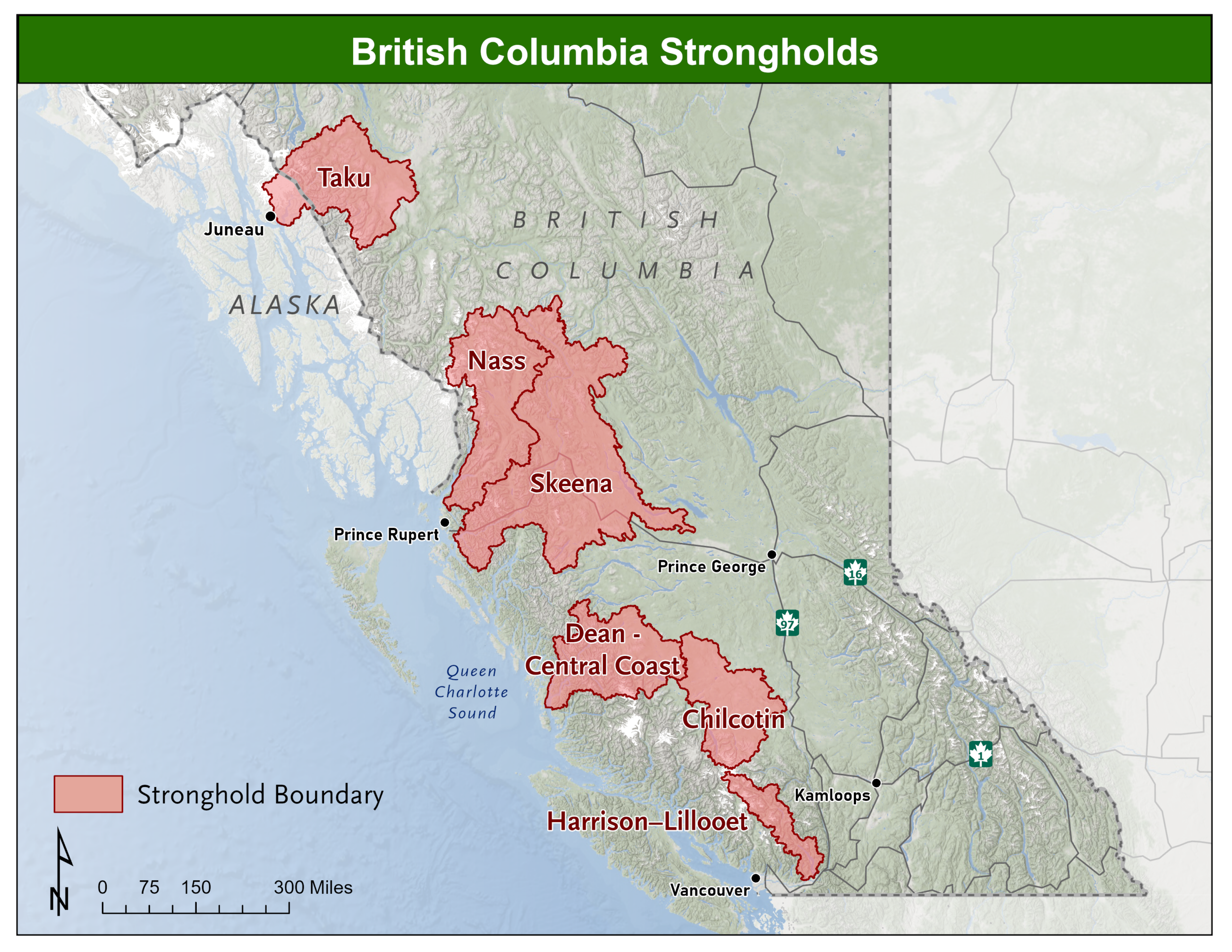
Wild Salmon Centre Canada carries out activities across British Columbia, with focus areas including six priority salmon watersheds spanning nearly 150,000 square kilometres.
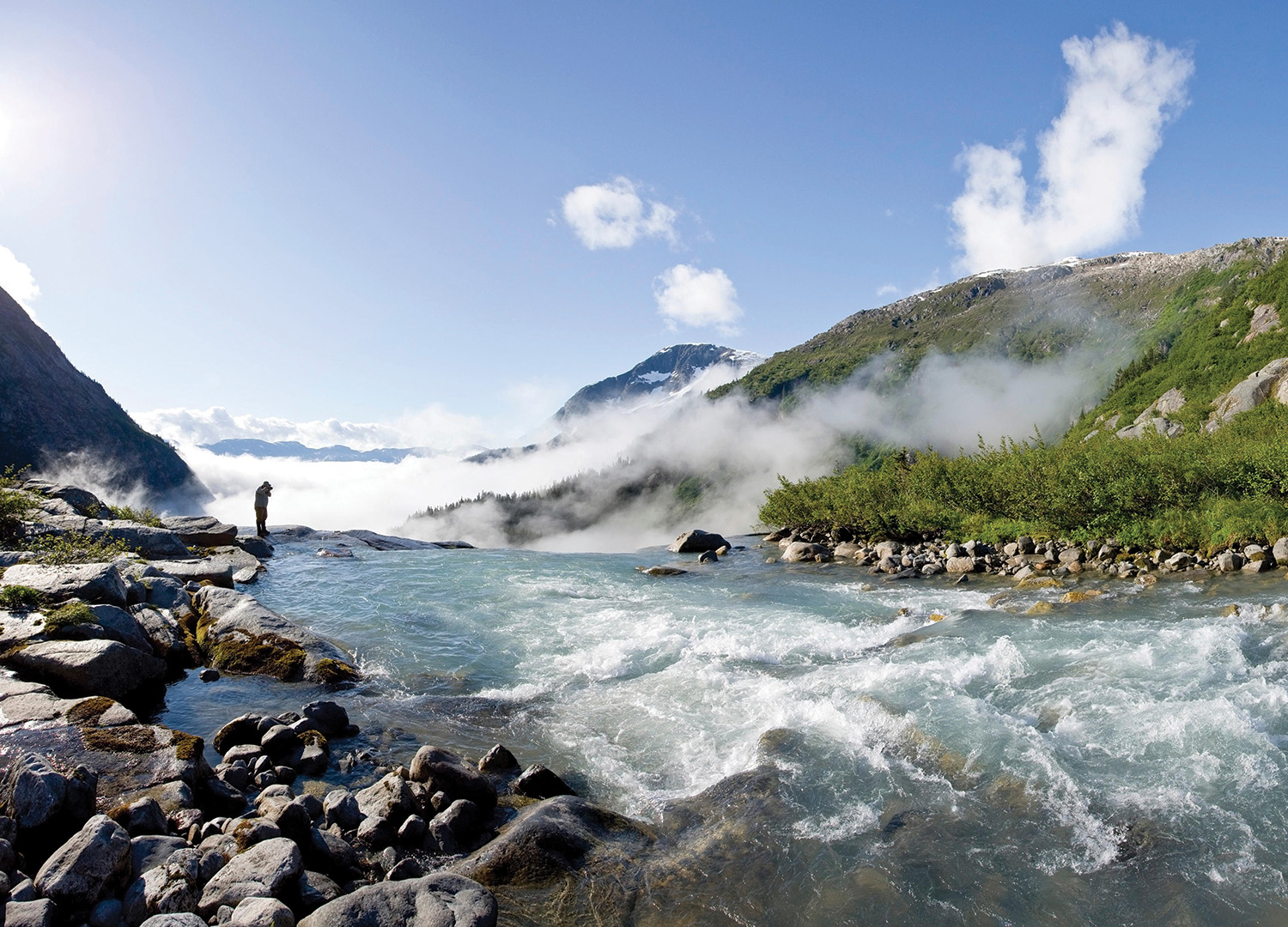
Taku
19,375 Sq. Km
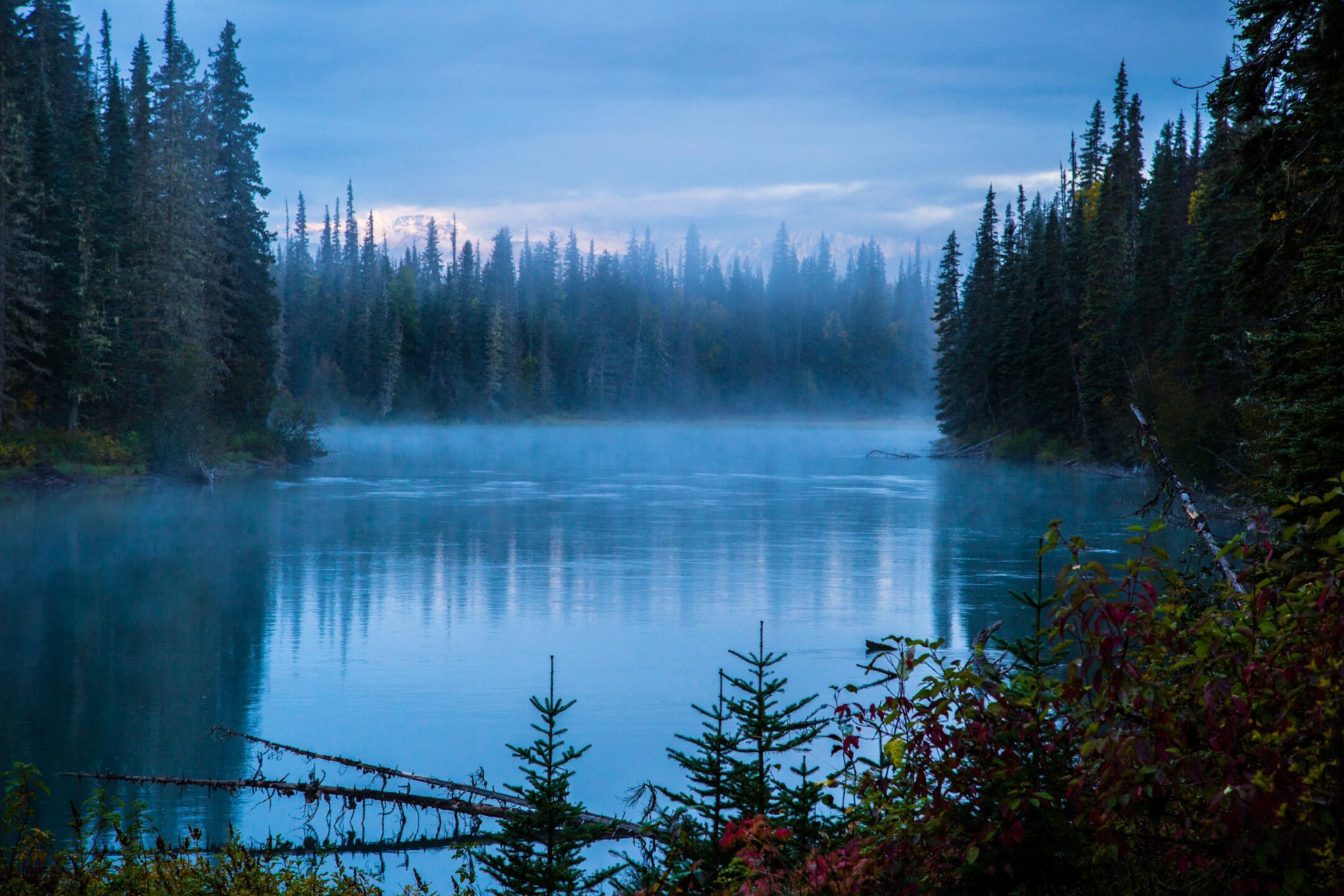
Nass
24,021 Sq. Km
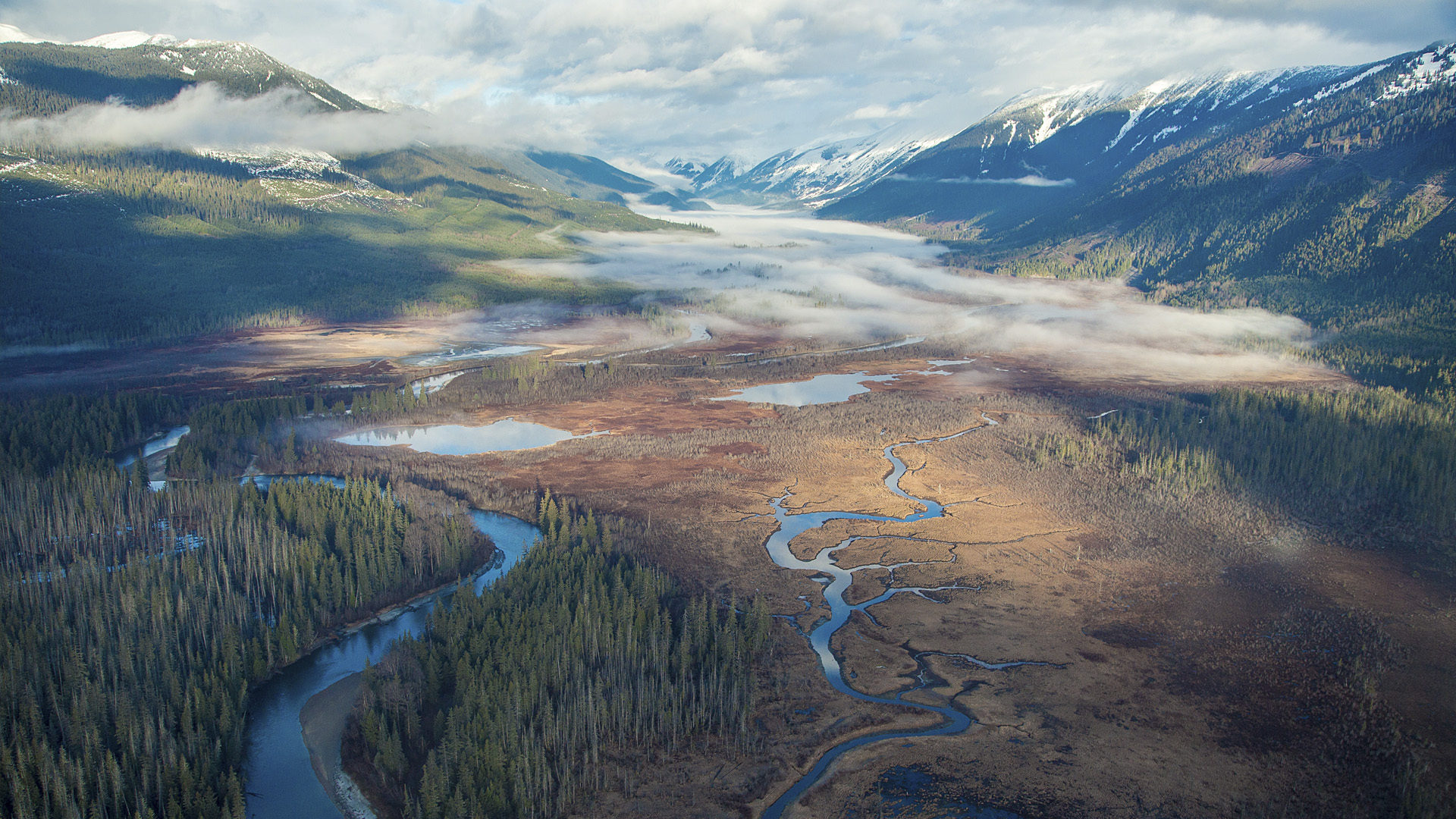
Skeena
54,416 Sq. Km
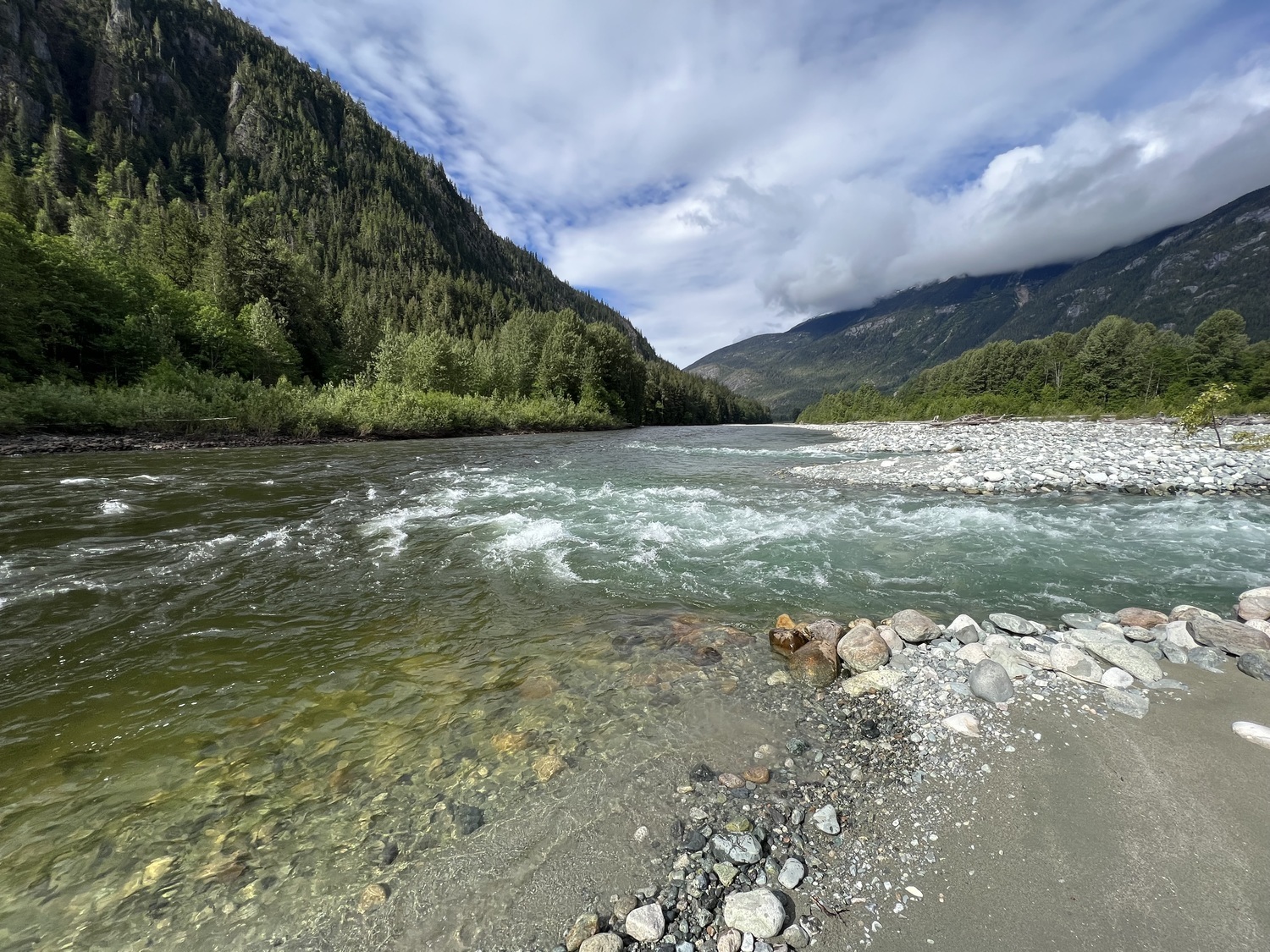
Dean / Central Coast
23,238 Sq. Km
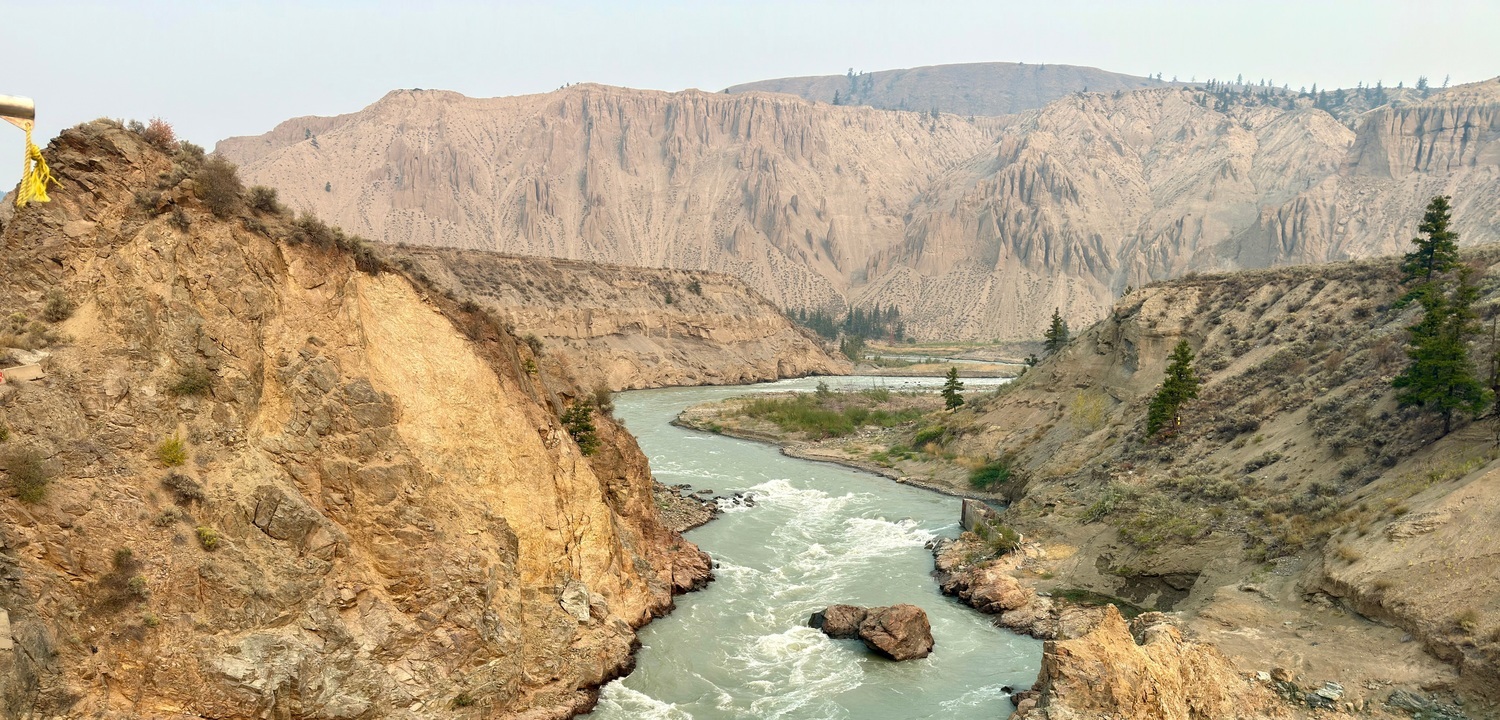
Chilcotin
19,300 Sq. Km
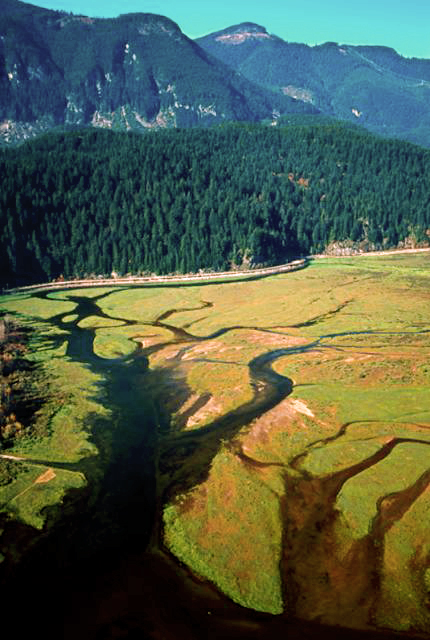
Harrison / Lillooet
8,439 Sq. Km
Our Strategy
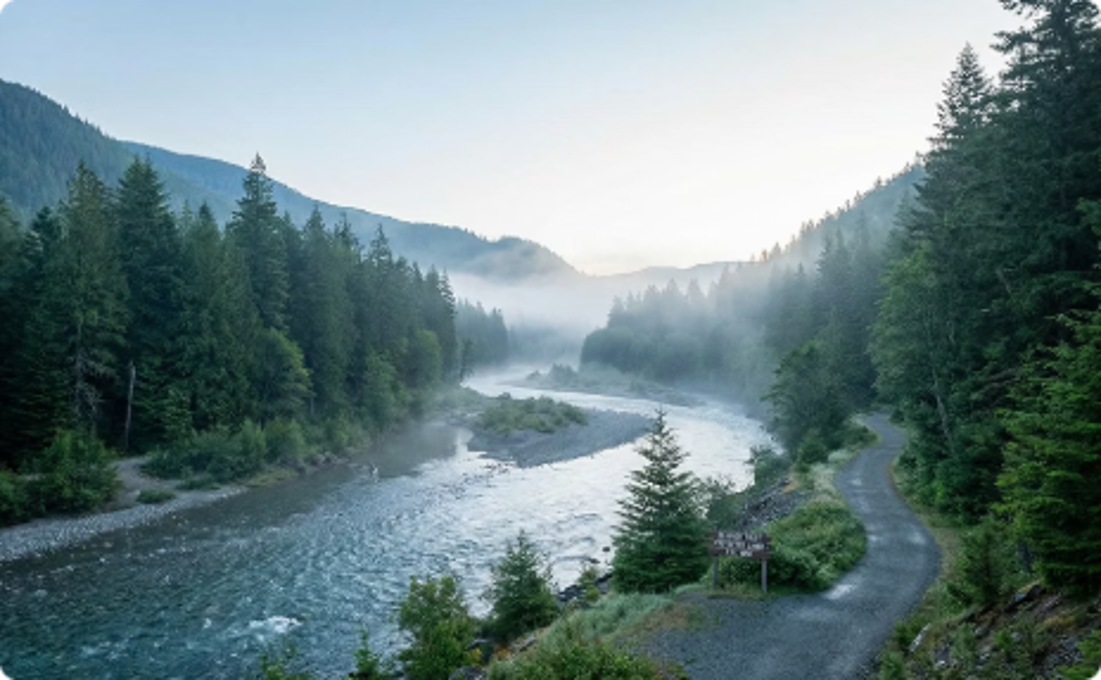
Healthy Stronghold Watersheds
New protected areas established in stronghold watersheds helping B.C. & Canada meet 30 by 30 goals. Indigenous-led land use plans advanced.
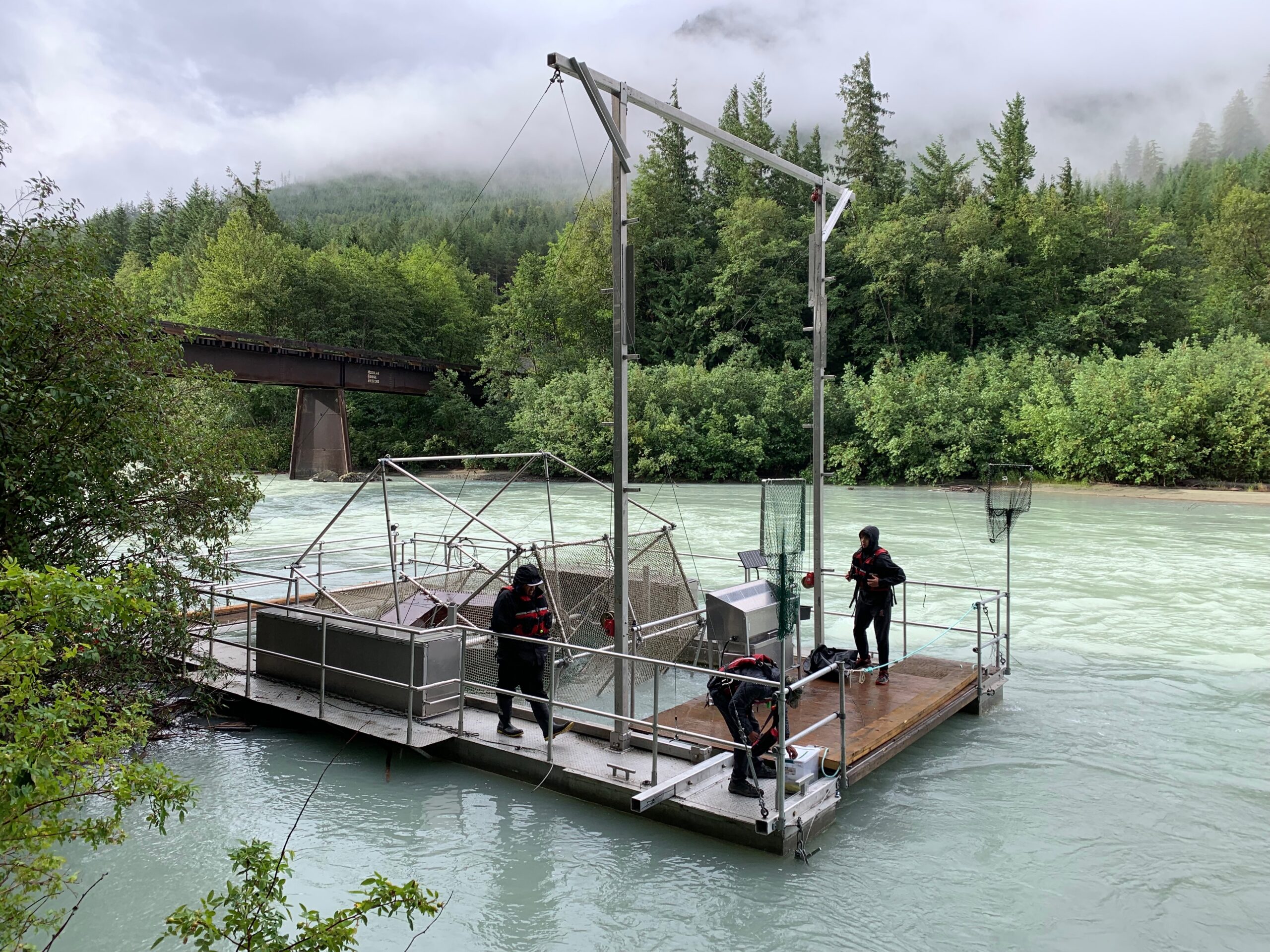
Sustainable, Selective Fisheries
Selective fisheries expanded across B.C. Science-based, co-managed fisheries supporting healthy abundance. Fish farms transitioned to closed containment.
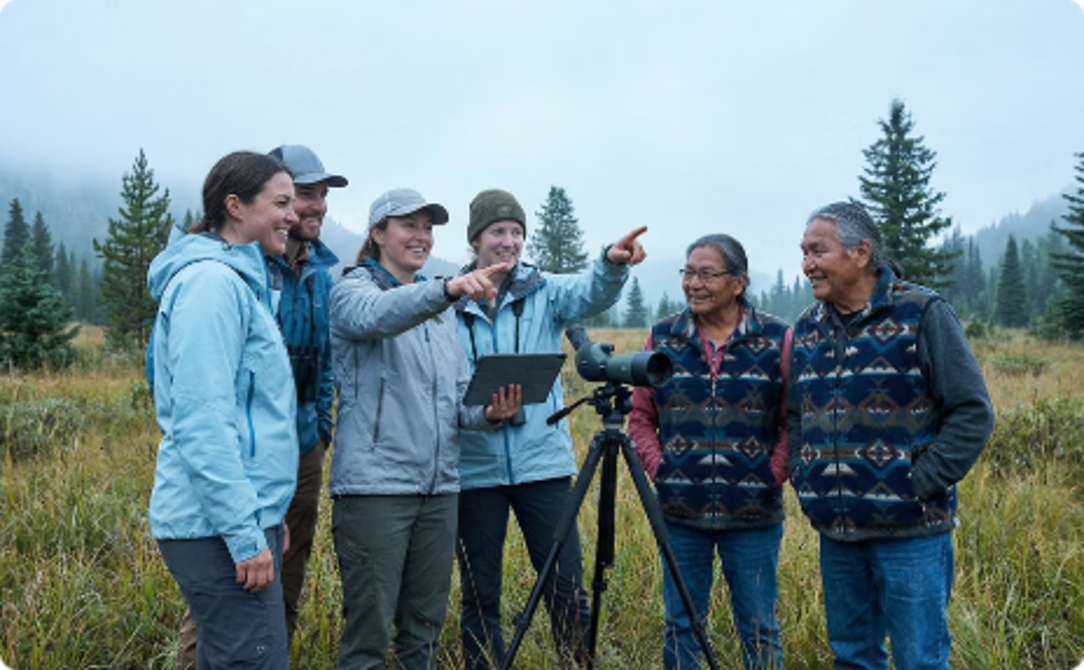
Local Community & Indigenous Leadership at the Centre
Strong, well-supported Indigenous and local partners leading stewardship, habitat protection, and salmon recovery across British Columbia.
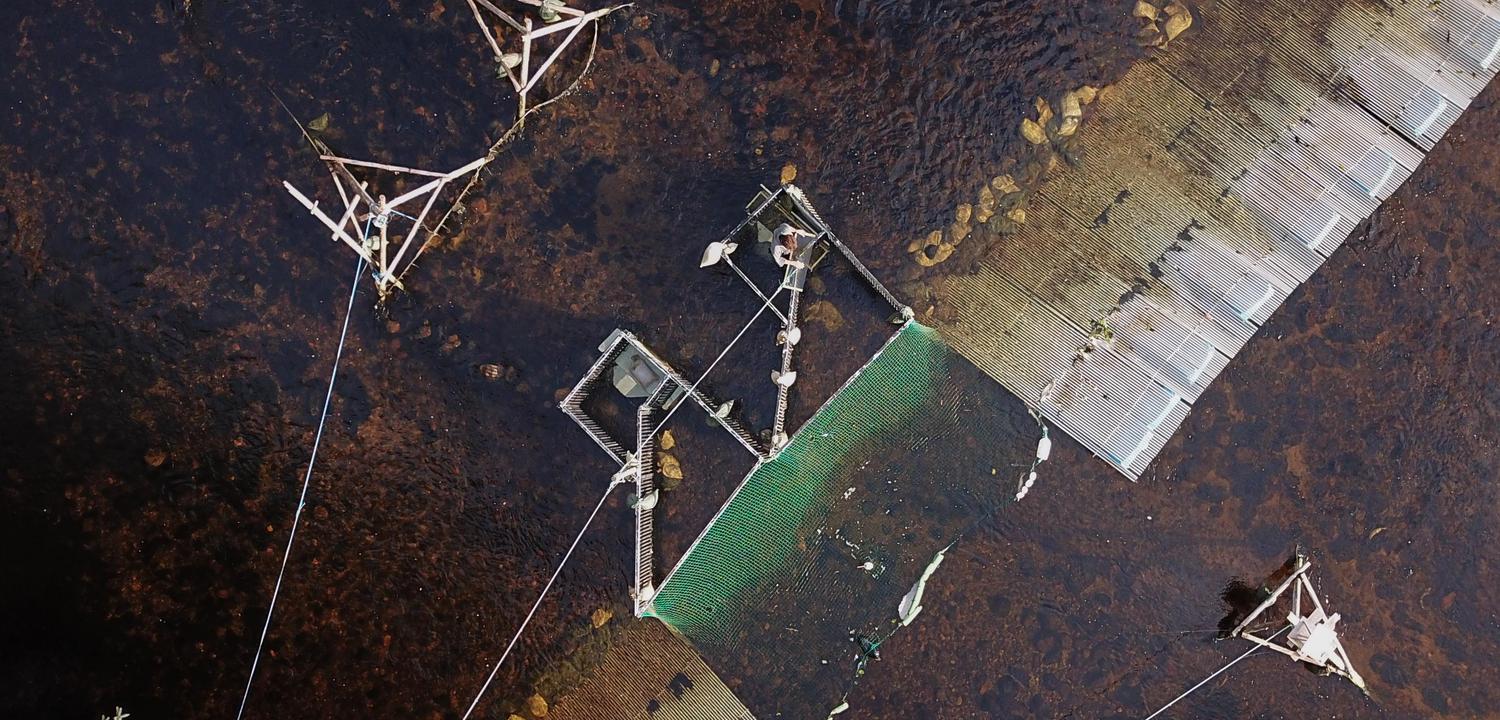
Science Based, Durable Conservation
Protected areas, land use plans, and selective fishing infrastructure securing salmon strongholds for generations.
What We Do
Wild Salmon Centre Canada conducts and supports scientific, technical, and educational activities across six key program areas.
- Habitat Protection & Watershed Stewardship: Conducting research on habitat and climate resilience, supporting watershed monitoring and mapping, producing technical reports, and supporting Indigenous- and community-led stewardship initiatives.
- Sustainable Fisheries Research: Supporting research on selective fishing practices, developing educational materials, hosting workshops, and sharing information that promotes responsible harvest while conserving vulnerable populations.
- Research & Publications: Conducting and commissioning research on Pacific salmon ecosystems, watershed conservation, climate resilience, and community-based stewardship. Findings shared through reports, digital resources, and seminars.
- Training & Knowledge Exchange: Delivering educational workshops and training sessions focused on habitat monitoring, watershed stewardship, and sustainable fisheries practices including youth engagement.
- Community Stewardship: Providing educational and technical support that strengthens conservation capacity among communities and partner organizations, including climate adaptation planning.
- Public Awareness: Developing public education initiatives to increase awareness of the ecological and social importance of wild salmon through publications, events, and digital outreach.
Collaborative Conservation
Wild Salmon Centre Canada works collaboratively with governments, First Nations, communities, scientists, and conservation organizations to advance research, education, and conservation initiatives that protect salmon ecosystems for the benefit of the public.
Our Approach
- Partner with First Nations on stewardship and land use planning
- Support science-based, co-managed fisheries
- Build diverse conservation collaborations
- Increase public support for wild salmon protection
Our Partners
We work alongside local communities, First Nations, conservation organizations, scientists, and government agencies to build a unified movement for wild salmon across British Columbia. Together, we are building province-wide momentum for lasting change.
Why Wild Salmon Matter
As a keystone species, wild salmon support more than 100 types of wildlife, diverse wild rivers, and entire communities across British Columbia and the North Pacific.